Fabric & Textile Quality Analysis

How to Evaluate Wool Coat Fabric Quality Using GSM, Fiber Content, and Interlining Construction

A wool coat’s price tag reveals surprisingly little about its actual construction, because fiber content, fabric weight, and chest panel structure dictate whether it holds its shape through multiple winters. Most shoppers check the wool percentage and stop there, but that number is only one part of the equation.

The fabric weight, measured in GSM, dictates how heavy and warm the material feels, yet it rarely appears on product pages. The invisible layer inside the lapel also determines whether the coat molds to your body or collapses over time, making these physical signals far more reliable than the retail price.

The Fabric Assessment

  • What this analysis covers: A comparison across three price tiers using four evaluation criteria, including fiber content percentage, fabric weight, interlining construction type, and exterior finish.
  • What you’ll walk away with: A practical garment quality scoring rubric you can apply to any wool coat before making a purchase.
  • Why these three factors matter: Fiber content determines warmth and longevity, fabric weight reveals structural substance, and interlining construction dictates whether the chest and lapels will hold their shape over time.

Shoppers comparing structured wool coats across a wide price range need to know which options will survive daily winter commutes and remain polished for years. These garments span blends from 60% wool to pure virgin wool, meaning the real structural differences sit beneath the surface rather than on the price ticket.

The three quality signals that separate a good wool coat from a bad one

The three most critical quality signals in a wool coat are fiber content percentage, fabric weight measured in GSM, and the specific type of interlining construction. Fiber content governs baseline warmth and durability, fabric weight reveals physical substance, and the interlining controls whether the chest and lapels retain their tailored shape.

Flip open the coat and check the fiber content label before you even touch the fabric. Note the exact wool percentage and look for a certification mark like Woolmark or the Responsible Wool Standard (RWS), because a label omitting these details often signals a garment assembled purely for cost savings.

Fiber content sets the baseline for insulation and wear resistance, but it requires adequate fabric density to function properly. At 80% wool and above, the natural fiber crimp traps more air, while fabric weight expressed in GSM dictates how cleanly the heavy material drapes into a vertical line.

The interlining construction inside the chest and lapels acts as the skeleton of the garment. A floating canvas that is sewn in rather than glued allows the front panels to move with your body, ultimately creating the coat’s overall drape and ensuring it remains structured after multiple winters.

What fiber content percentage actually tells you — and what it hides

Wool percentage numbers look straightforward, but two coats labeled 80% wool can behave entirely differently in practice. The percentage only reveals the blend ratio against synthetic fibers, staying completely silent on the actual physical quality of the wool used.

A 100% wool coat offers maximum natural warmth and breathability, though it requires careful maintenance and feels heavier when wet. Blends between 80% and 90% balance shape retention with synthetic resilience, while anything below 50% wool behaves mostly like synthetic fabric, losing breathability and the ability to recover from creasing.

The hidden variable that fiber percentage never reveals is fiber length, which is the staple length of the individual strands. Long-staple wool creates a smoother yarn with fewer protruding ends to initiate pilling, whereas short-staple wool used in lower-cost coatings leaves more loose ends that tangle after repeated abrasion.

Pinch a small section of the fabric at the collar edge or hem between your thumb and forefinger, then roll it gently. If fibers escape easily or the surface looks frayed after a few rubs, the staple length is likely short and predicts a higher pilling risk during wear.

Independent certifications provide a reliable shortcut for verifying baseline material quality. The Responsible Wool Standard (RWS) verifies progressive land management and animal welfare practices, while the Woolmark certification confirms the fiber meets specific purity and performance thresholds before the coat is even cut.

GSM: The single most misunderstood number on a wool coat label

GSM measures the weight of the fabric itself rather than the finished coat, yet most product pages omit this crucial number. A heavier GSM means more fiber per square meter, which translates directly to better drape, increased warmth, and greater resistance to creasing.

Lightweight coatings between 200 and 300 GSM work for transitional weather but lack the physical substance to hold a tailored silhouette in cold conditions. Midweight fabrics between 300 and 450 GSM hit the ideal range for city winter coats, while the Woolmark Cool Wool specification caps warm-weather fabrics at 190 GSM to show how deliberately weight is calibrated to intended use.

A winter wool coat should typically sit between 300 and 450 GSM for daily city wear, increasing to at least 450 GSM if you regularly face freezing temperatures. Anything below 250 GSM will struggle to hold its structural shape and simply cannot provide enough insulation for real cold.

A higher GSM alone does not guarantee a better coat, because a heavy fabric made from coarse, short-staple wool will still feel stiff and pill heavily. The number is most useful when paired with weave density, since examining the surface under even light reveals whether a tight, uniform structure supports the physical weight.

People who wear a lightweight 250 GSM wool coat through a full winter often notice the sleeves and side panels losing their crisp edges after a few months. At lower fabric densities, inter-fiber friction is insufficient to hold the cut panels under repeated arm movement, causing the silhouette to soften prematurely.

Interlining construction: The invisible factor that determines how a coat ages

An interlining is a hidden fabric layer sitting inside the chest and lapels of every structured wool coat to give the front panels their shape. How the manufacturer attaches this layer makes the difference between a garment that improves with wear and one that structurally degrades.

Fused interlining uses a heat-activated adhesive to bond the inner layer directly to the outer fabric, keeping production costs and retail prices low. The adhesive bond weakens over time from body heat and dry-cleaning chemicals, eventually causing the chest to bubble as the fabric’s natural recovery gets trapped beneath a rigid, glued layer.

Floating canvas interlining is entirely sewn in without any adhesive bonding, allowing the traditional wool and horsehair layer to move independently between the outer fabric and the lining. A floating canvas construction gradually conforms to the wearer’s chest shape, and because there are no chemical bonds to fail, a well-made full-canvas coat can last decades.

Pinch the outer fabric and lining of the lapel together between your thumb and forefinger to test the construction. Feeling a separate, independent layer sliding between them indicates floating canvas, while a solid, uniform stiffness suggests fused construction.

Half-canvas construction places a sewn canvas in the chest and lapel while fusing the lower front panel, balancing cost with structural performance. Owners of half-canvas coats consistently notice that the lapels hold their roll cleanly for years, while only the fused lower hem area eventually softens from lacking independent flexibility.

This construction choice directly dictates the garment’s ultimate lifespan. A fused coat may need replacement within five to six years as the adhesive degrades, whereas a full floating canvas coat can remain structurally sound for decades because the sewn thread can always be reinforced.

Woven vs. pressed exterior finish: What the surface tells you

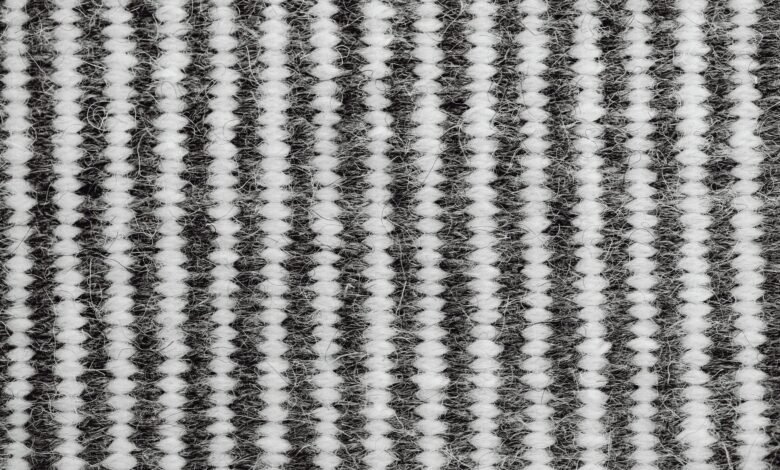
Running a hand across the surface of a wool coat reveals how the fabric was originally manufactured. A woven wool coating retains a visible weave structure where yarns cross over and under each other, signaling that the physical drape comes from the yarns themselves rather than heavy chemical finishing.

A heavily pressed or felted finish appears almost completely smooth, which can sometimes mask a loose, low-density weave that has been mechanically compressed to look substantial. The Woolmark surface quality standard requires a clean surface with relatively few protruding fibers, proving that fewer stray fibers generally indicate a longer staple length and a tighter underlying weave.

Look for the faint grid of a weave at the hem or inside a seam allowance to check the true structure. If the fabric looks like a uniform sheet with no visible yarn intersections, it is likely heavily pressed, whereas a visible weave confirms the fabric is not hiding structural flaws.

A three-coat comparison: How the signals play out across price tiers

The structural gap between a $250 wool coat and an $850 one is written directly into the fiber content, fabric weight, and interlining. Applying the same evaluation criteria across three price tiers reveals dramatically different long-term ownership experiences.

Tier 1: $200–$400

Wool content typically falls between 60% and 80% with synthetic blends for cost control, while fabric weight sits around 250 to 350 GSM and interlining is almost always fully fused. After a few seasons of regular wear, the adhesive bond weakens from dry cleaning and body heat, causing the chest panel to soften and the lapels to lose their crisp roll.

Tier 2: $400–$800

Wool content rises to approximately 80–95% with fabric weights between 350 and 500 GSM, and half-canvas construction becomes common to give the chest independent movement. The floating canvas in the chest holds its structure for years even as the fused lower portion softens, while the exterior finish typically shows a clear, even weave indicating longer staple wool.

Tier 3: Above $800

These coats generally use 95–100% long-staple wool with a GSM ranging from 400 to over 600, making full floating canvas construction the standard across the entire front panel. RWS certification frequently appears at this tier, with brands like COS and Stella McCartney publishing fully traceable coats that remain structurally intact for decades with proper care.

Where buyers get misled

The most frequent error is assuming a higher price automatically guarantees better physical construction. A $600 wool coat with fused interlining will still bubble and soften years earlier than a $500 half-canvas coat, because retail price reflects marketing and brand positioning just as much as actual tailoring.

Focusing solely on the wool percentage while ignoring the chest construction is another common trap. A 100% wool coat with fused interlining will lose its shape faster than an 80% wool coat with floating canvas, since the hidden interlining actually carries the structural load.

Mistaking a heavily pressed finish for a quality weave is also common, as a smooth, felted surface can easily hide a loose structure that bags at the elbows within months. Overlooking certification marks means missing one of the few independent signals that the raw wool passed objective quality checks before the garment was even cut.

How to use the garment quality scoring rubric

The rubric below turns the four evaluation criteria into a practical numerical score you can apply to any wool coat you are considering. A total of 80 or more points signals high-quality construction, while a score below 60 suggests the coat will not hold up through multiple winters of regular use.

Quality Signal What to Look For Pass Threshold Fail Signal
Fiber Content (25 pts) Wool percentage and certification ≥80% wool; RWS or Woolmark preferred Below 60% wool; no certification marks
Fabric Weight/GSM (25 pts) Fabric density and drape Approximately 300–450 GSM for winter; fabric feels substantial Below 250 GSM; fabric feels thin and rumples easily
Interlining Construction (30 pts) Lapel pinch test; chest feel Floating canvas or half-canvas confirmed Fully fused; no independent layer felt
Exterior Finish (20 pts) Weave visibility and surface clarity Visible, even weave; minimal surface fuzz Heavily pressed smooth surface hiding loose weave; excessive stray fibres

The interlining category carries the most weight because it directly governs how the coat ages over time. Use the score as a relative guide, since a coat can compensate for a slightly lower GSM, but no surface treatment can rescue a fused interlining that is destined to bubble.

Three wool coat fabric samples showing different weave densities and surface textures, illustrating quality differences across price tiers
Photo by Tomás Asurmendi on Pexels
Hand pinching a wool coat lapel to test for floating canvas versus fused interlining construction
Photo by PNW Production on Pexels
Wool coat care label showing fiber content percentage and certification marks
Photo by Andrzej Gdula on Pexels
Structured wool coat hanging on a rack, showing drape and silhouette
Photo by RDNE Stock project on Pexels
Close-up of woven wool fabric showing visible weave structure and yarn density
Photo by www.kaboompics.com on Pexels

The Sourcing Verdict

Fiber content, GSM, and interlining construction predict a wool coat’s wear behavior far more reliably than retail price or brand reputation. Perform the lapel pinch test for floating canvas before buying, and hold out for a minimum of 80% wool and at least 350 GSM to ensure the garment remains structured after multiple winters.

Frequently Asked Questions

Is a 100% wool coat always better than a wool blend?

A well-constructed 80% wool coat with floating canvas can easily outperform a poorly made 100% wool coat with fused interlining. The hidden interlining governs long-term shape retention much more than the outer shell fabric does.

Can I tell if a coat has floating canvas without cutting it open?

You can simply pinch the lapel’s outer fabric and lining together to check the construction. Feeling a third layer sliding independently between them indicates floating canvas, while a solid, bonded feel suggests fused construction.

Will a heavier wool coat always outlast a lighter one?

A heavy fabric woven from short, coarse wool will still pill and feel stiff despite its weight. A lighter fabric made from long, fine fibers can drape much more elegantly, meaning GSM only helps when paired with high fiber quality and tight weave density.

What does RWS certification actually tell me about wool quality?

The Responsible Wool Standard verifies that the wool comes from farms meeting specific animal welfare and land management criteria. It certifies responsible sourcing practices, but it does not measure the physical fabric weight or the construction durability of the final coat.

Armughan Akbar

Armughan Akbar is a fashion and wardrobe content writer with over 6 years of experience covering fabrics, garment construction, clothing quality, fit, and apparel care. His content combines textile research, industry standards, and practical consumer guidance to help readers make informed wardrobe and clothing-buying decisions.
Back to top button